
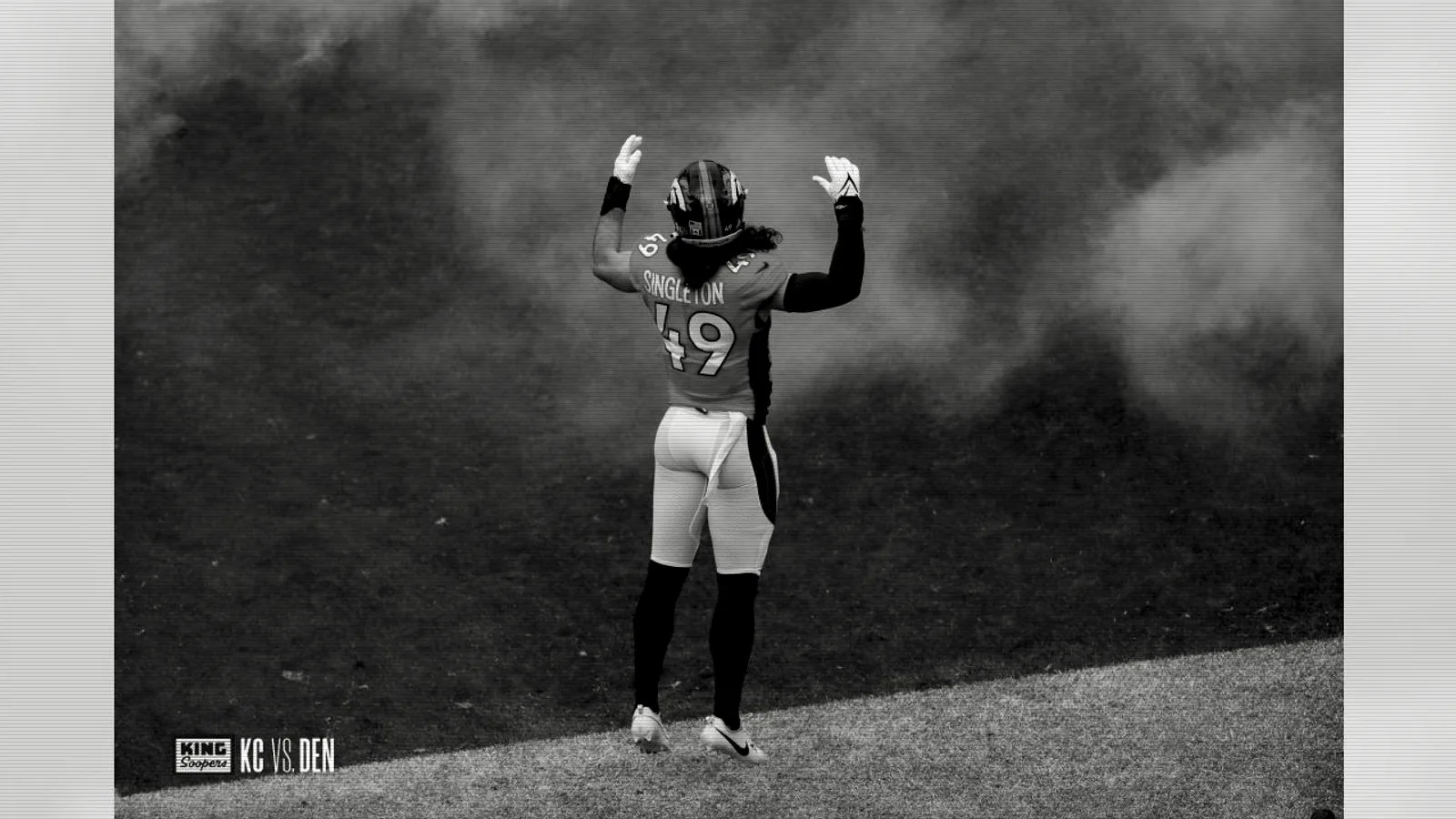
Eight years. Sixteen games. Zero wins.
For the Denver Broncos, beating the Kansas City Chiefs had become something of an annual impossibility.
Between September 2015 and October 2023, Denver changed quarterbacks, coaches and expectations. Kansas City changed plenty, too. But through all that turnover, one thing remained remarkably consistent: the Chiefs won.
Then, on October 29, 2023, the Broncos finally broke through.
Their 24-9 victory wasn't a dramatic last-second comeback or an offensive masterpiece. Denver simply did what it hadn't managed to do in more than eight years: beat Kansas City.
What makes a team lose to the same opponent for that long? And what finally changes?
According to a StatAngle analysis of NFL games since 1999, five teams have endured losing streaks of at least 12 consecutive games against a single opponent.
Denver's 16-game skid was the longest. Buffalo and the New York Jets each lost 15 straight to New England, the Raiders dropped 13 against the Chargers, and Cleveland lost 12 to Pittsburgh.
Together, those five streaks spanned 71 games. But their most revealing similarity wasn't the number of losses. It was who kept winning.
A Familiar Face
An NFL franchise can change almost everything about itself in eight years. Rosters turn over. The coaching staff changes. Quarterbacks are replaced in hopes of finding a winning formula.
Yet some rivalries remain stubbornly one-sided.
Across the five streaks, there were 30 different quarterbacks leading the losing teams in passing attempts, compared with just 12 on the winning side.
Tom Brady alone accounted for 21 of the 71 victories. Patrick Mahomes was the leading passer in 11 of Denver's 16 losses to Kansas City. Ben Roethlisberger and Philip Rivers similarly anchored Pittsburgh's and the Chargers' dominance.
Four quarterbacks played central roles in five of the NFL's longest head-to-head losing streaks.
These weren't necessarily franchises cursed by an opponent's uniform. They were teams repeatedly running into some of the most accomplished quarterbacks of their eras.
The losing teams kept searching for answers. The winning teams already had theirs.
Closer Than They Look
A streak of 12 or more consecutive losses sounds like a history of domination. But the final scores tell a more complicated story.
Of the 11 losses suffered by teams already carrying a streak of at least 12 games, nine were decided by eight points or fewer.
A touchdown here. A field goal there. One possession that could have changed everything.
The games were often competitive, even when the rivalries weren't.
Close scores don't necessarily indicate bad luck. They can also reflect teams repeatedly falling short in critical moments. But they illustrate how an extraordinary streak can grow from a series of otherwise ordinary defeats.
And when the breakthroughs finally came, they often looked remarkably different from years of frustration that preceded them.
Breaking the Cycle
For Denver, the answer came on defense.
The Broncos held Kansas City to nine points in October 2023. The Jets ended their 15-game skid against New England with a 17-3 victory in January 2024, while Cleveland snapped its 12-game streak against Pittsburgh with a 13-6 win in 2009.
Three of the five streak-breaking victories held the opponent to fewer than 10 points.
Buffalo's 34-31 victory over New England in 2011 was the notable exception, with the Bills finally managing to outscore Brady rather than contain him.
But breaking a streak doesn't necessarily change a rivalry.
Across the five matchups, the teams that ended their losing streaks went a combined 40-69 in subsequent meetings, winning just 36.7% of those games.
Denver was an exception. After losing 16 consecutive meetings to Kansas City, the Broncos won four of their next six through November 2, 2026.
Across these five matchups, the same patterns emerged: stability at quarterback, narrow margins and years of unsuccessful adjustments. One victory could interrupt those patterns, but it couldn't necessarily erase the advantages that created them.
After all, the most remarkable thing about these streaks may not be how many times the same team lost.
It's how much had to change before they could consistently win.